Lightspeed AI moves from insights to action with agentic capabilities for retail

Industry News · Retail and E-commerce · October 19, 2026
The agent prepares the purchase order and the clearance tag, shows a preview, and waits for the retailer to say yes
Lightspeed Commerce announced on October 15, 2026 that Lightspeed AI can now prepare tasks for retailers, not only answer questions. The agent analyzes catalog, inventory, sales and purchasing data across locations. It then recommends next steps and prepares tasks such as purchase orders and inventory transfers. The features are in an opt-in beta for select customers.
The agent can flag unsold items for clearance and update product information. It can plan inventory transfers to stores with strong demand. It can identify low-stock products and prepare purchase orders. It can also surface sales opportunities in the data.
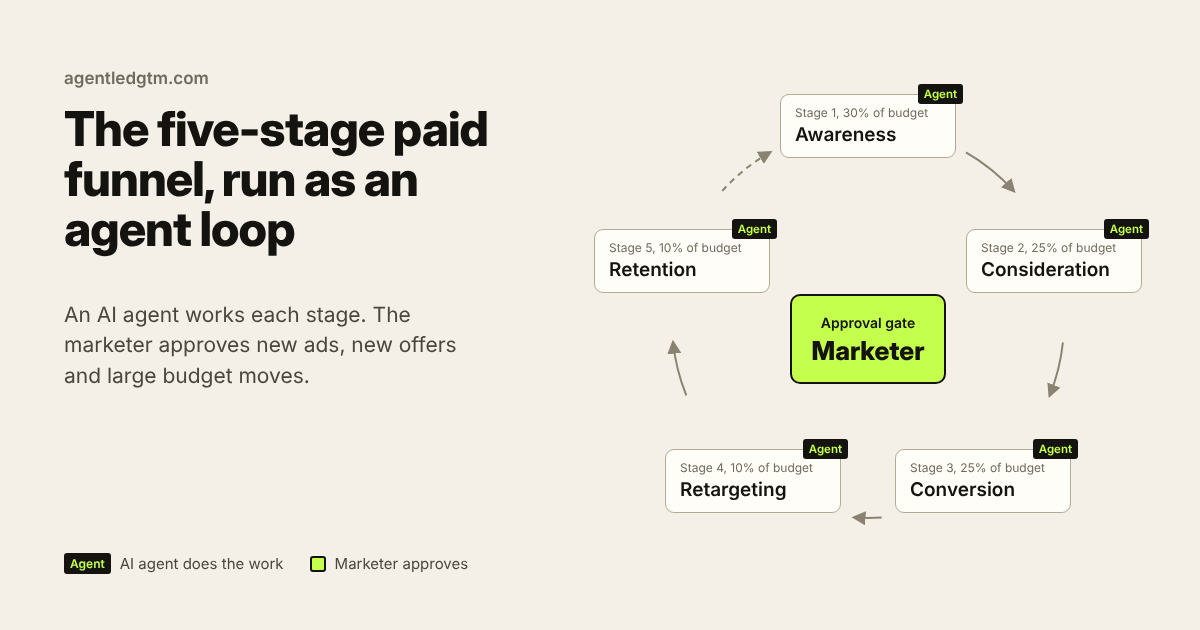
A retailer asks a question, gets a recommendation and approves a prepared task in the same conversation. The agent shows a preview of any change and waits for explicit approval before it acts. An audit log records every action.
Dax Dasilva, Founder and Chief Executive Officer of Lightspeed, said that AI must simplify the day of a retailer, not add another system to manage. Bhawna Singh, Chief Technology Officer, said that the value of the agent comes from its business context. She added that it works inside the systems that merchants already use, and retailers keep control of key decisions.
Lightspeed gave no customer results and no date for general availability. The company said that broader availability is coming soon. The new features build on the existing conversational, content creation and operational insight tools in Lightspeed AI.
The takeaway
Lightspeed put the agent inside the point of sale, where the inventory and sales data already live. A retail agent earns trust one approved task at a time, so start with tasks that have a preview and an undo.
Why it matters for agent-led growth
- Context beats a new interface. The agent reads the catalog, the stock and the sales of every location. An agent with that context can prepare a purchase order. A chatbot without it can only describe one.
- Preview and approval build trust. The retailer sees the change before it happens. Make every agent action show a preview until the team trusts the agent with that task.
- Inventory moves are a growth lever. A transfer to a store with strong demand converts stock into sales. Treat stock placement as a revenue play, not only an operations task.
- Ask for the audit log. Lightspeed records every action. Before you turn on any retail agent, confirm that you can see what it did, when and who approved it.